Why older skiers are better
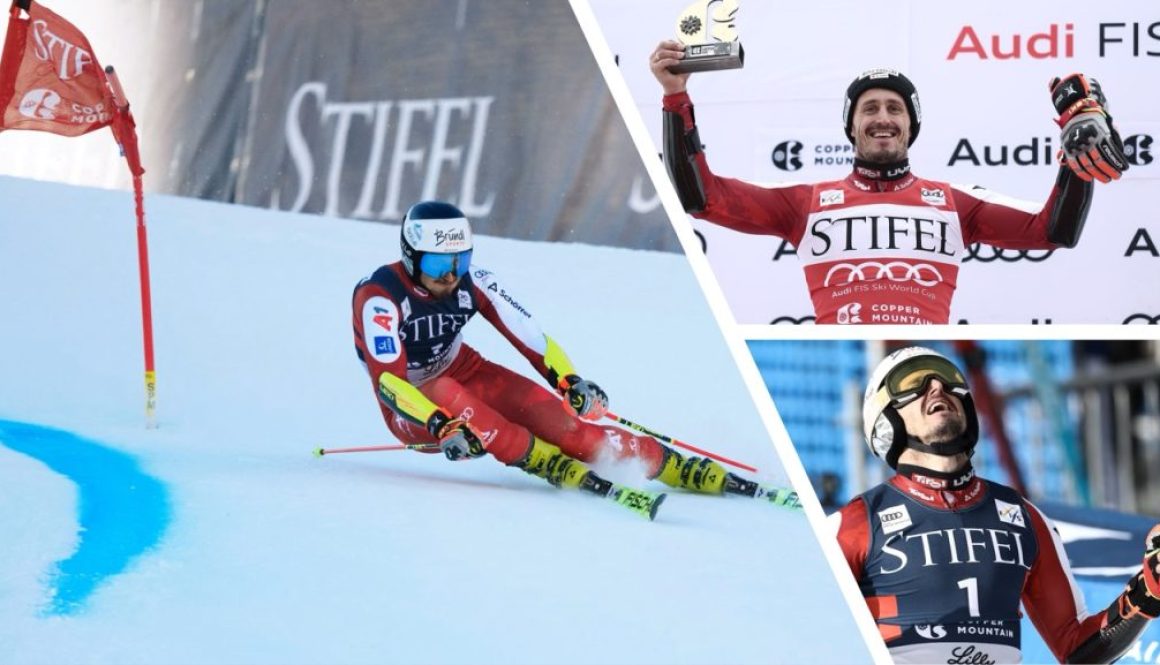
Austrian ski racer Stefan Brennsteiner started his FIS racing career in 2007, posting a few sub-100 FIS point results, mixed in with some c. 150 point results – all-in-all a decent start, but not overwhelmingly good. Fast-forward to 2025, he wins his first World Cup at the Copper Mountain GS, at the ripe (for a sportsperson) age of 34. And we don’t have to look as far as the continent to know that ski racers can be fast well into their thirties – Britain’s Dave Ryding won his first World Cup quite spectacularly in 2022 in Kitzbühel at 35 years old.
What does this mean? Well, it’s more proof that ski racing is a late specialisation sport. Long-Term Athlete Development (LTAD) is a framework developed by Istvan Balyi, a Canadian sports scientist, which is much spoken of in snowsports. This is because peak performance in alpine skiing comes either side of age 30. From this starting point, the use of LTAD then works backwards from there to create a pathway for success, from learning to ski, through grassroots racing (think club races, SSSA, etc.), and all the way up to the Olympics. All British coaches in skiing are educated on the principles of LTAD, alongside many other sports.
Yes, there are definitely examples of the opposite – Mikaela Shiffrin, officially the greatest ski racer of all time, won her first World Cup aged just 17 – but these are the outliers. And unfortunately we see all too often adolescents being pushed hard and placed into intensive, high-pressure environments too early. Although it may produce relatively quick results in terms of performance, the risk of ‘burnout’ is high. There is a huge drop out rate in skiers competing at and around the U16 age group, and whilst there are many factors at play, burnout is surely one of them. A pathway which is carefully and thoughtfully designed around a progressive increase in activity (and the intensity of that activity) can only be a good thing.
You can read more about the specific stages of LTAD on the Snowsport Scotland website, and about avoiding burnout in ski racing in our previous post here. Alpine Canada also has an entire website dedicated to this: ltad.alpinecanada.org.
Active for life

Hopefully the benefits of LTAD in national to elite international level competitive sport are now clear. But this is not the only positive to take away. Any sport is going to have a pyramid structure of participation, where the participation-heavy grassroots and recreational level (the base of the pyramid) percolates through to a small number of the highest-skilled athletes (at the tip of the pyramid). However, any sporting pathway worth its salt is going to support life beyond that. We want our skiers to love the sport for life, no matter what level of involvement they have. I am personally well aware of many people who were intensively involved in alpine skiing, some of whom I trained and raced with growing up, who have spent very little time in their boots since their final British children’s championship race.
The Scottish reality
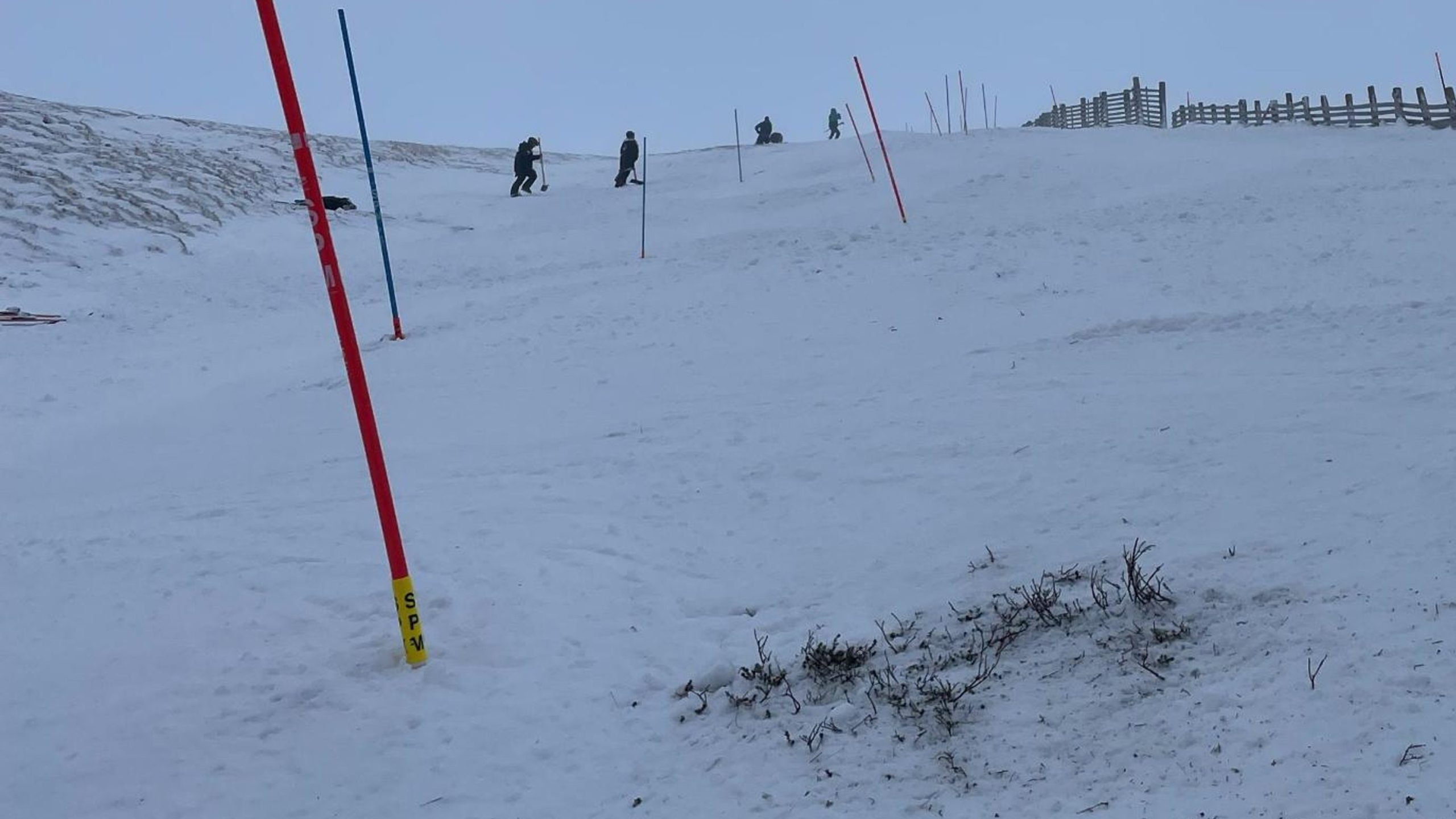
The implementations of LTAD in alpine skiing are, for obvious reasons, based on having access to snow. It’s no secret that Scottish winters are becoming less predictable, with fickle ski seasons meaning we have less reliable access to snow training at home. It’s for this reason that dry slopes and snow domes exist (though the latter is a bit of a sore spot for us Scots at the moment following the closure of our only indoor slope). This is also why so much of British ski racing revolves around overseas training camps and race opportunities. Both of these sides of the sport have grown a lot in recent years, and it’s now even possible to race every weekend outside of winter on the ‘BARTS circuit’.
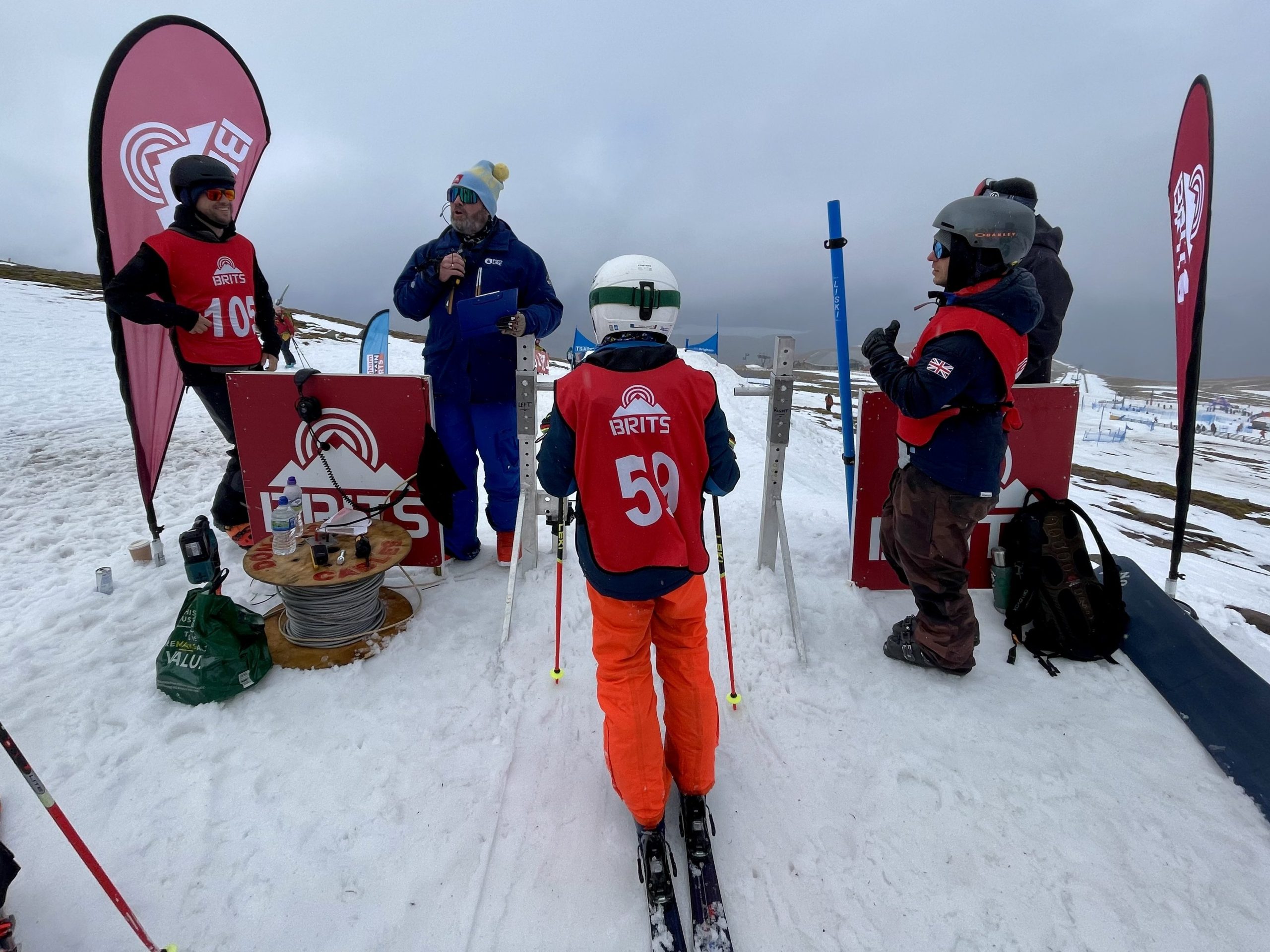
I suppose then, particularly off the back of so many poor ski seasons at home, it’s easy to see why so many people are racing so much on dry slope and indoors throughout the summer. However it’s not entirely clear where this fits into the LTAD model. Perhaps it is resulting in lots of young racers doing too much intense competition too early on, increasing the risk of burning out and losing the love for the sport. Don’t get me wrong, dry slope skiing has its place, including BARTS races, but it can be easy to fall into the ‘trap’ of doing too much, particularly when there are so many opportunities that don’t require travelling abroad. That said, several ‘away’ race weekends, factoring in travel and accommodation costs for a family, can easily approach the price of a residential week on a European ski camp, and the latter has the potential to be far more beneficial.
“My son will never ski in the World Cup. Why, then, do I spend so much time and money on ski camps?
“This type of sport is a way for him to develop both physically and mentally during the important years. He has become totally dedicated to something. He has developed pride, self confidence, mental awareness, lasting friendships, punctuality and pride in his appearance.
“Short of the military, he has become regimented in his actions both at home, school and on the mountain. He doesn’t like to lose but has become more gracious about it. He certainly doesn’t have time to be bored. He has learned to take criticism and accept praise gracefully.
“All these qualities take some people a life to attain. My son is 12 years old.”
SSC Racing will continue to train on Scottish snow, whenever and wherever possible. Our programme of alpine camps continues to grow and be some of the best value for Scottish racers. All our training is closely aligned with the LTAD model for snowsports. You can find details on upcoming opportunities here.